


发布: PIC UK



“Dr. Machado’s research found that antibiotic use for piglets increased by more than 3.5 times during the first 15 weeks after a PRRS outbreak on a farm. For older pigs, the use of antibiotics increased by more than 2.5 times. “
Read the full interview to dig deeper into the research and what it means for the industry and consumers.
Read the full interview to dig deeper into the research and what it means for the industry and consumers.
How PRRS exacerbates the need for antibiotics: an interview with Dr. Isadora Machado. - PRRS Resistant PigNew research shows PRRS significantly increases antibiotic use in pig. Dr. Isadora Machado explains the impact on pig health and stewardship.
1 喜欢评论分享我的收藏
 Stronger pigs, fewer post-weaning losses
 New research confirms that genetic resistance to E. coli F18 can protect piglets against today’s highly virulent strains. In a controlled challenge, susceptible pigs showed more severe diarrhoea and higher mortality, while resistant pigs showed no mortality and no intestinal colonisation—highlighting genetics as a practical tool as reliance on antibiotics and zinc oxide declines.
 Read the full study here:
Genetic resistance to E. coli F18 in pigs: A revealing study Rodrigo C. Paiva and Marcelo N. Almeida, Iowa State University; and Lucina Galina Pantoja, PIC Escherichia coli (E. coli) is a...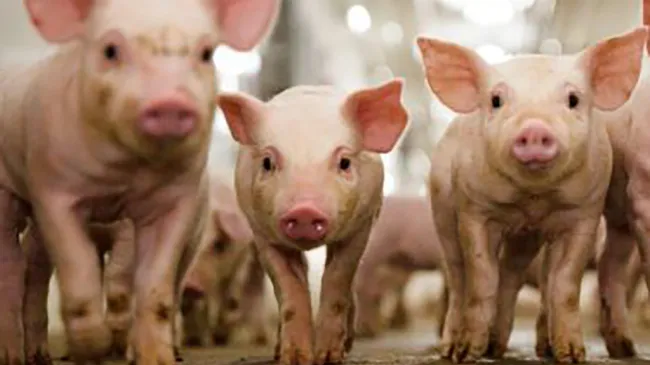
喜欢评论分享我的收藏
Gene editing meets the pasture:
Cattle with a slick coat, enhanced through a small gene edit and approved by the FDA, are better equipped to handle heat stress.
By helping cattle stay cooler in hot climates, this innovation supports animal well-being and productivity—a major step forward for more sustainable livestock production as global temperatures rise.
This is another real-world application of how gene editing is delivering practical, everyday benefits for farmers, animals, and the future of food. Follow along in our series on gene editing in action.
#geneeditinginaction #geneediting #Sustainability #FutureOfFarming #AnimalHealth
FDA Makes Low-Risk Determination for Marketing of Products from Genome-Edited Beef Cattle After Safety Review/PRNewswire/ -- Today, the U.S. Food and Drug Administration announced it has made a low-risk determination for the marketing of products, including food, from...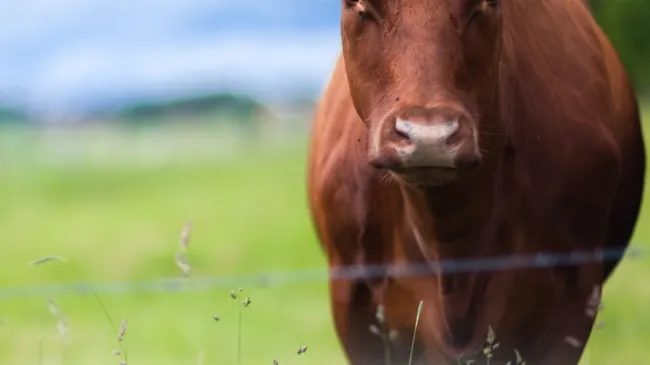
喜欢评论分享我的收藏
 Practical innovation, built into your herd From AI-assisted sow scoring to PRRS resistance R&D, PIC genetics bring high-tech solutions without the complexity. It’s innovation you can use — today. Explore how PIC genetics future-proof your farm →
Preparing sow farms to deal with complex scenarios Introduction: Why Future-Proofing Matters in Female Pig Genetics For decades, pig production was primarily driven by a singular focus: output...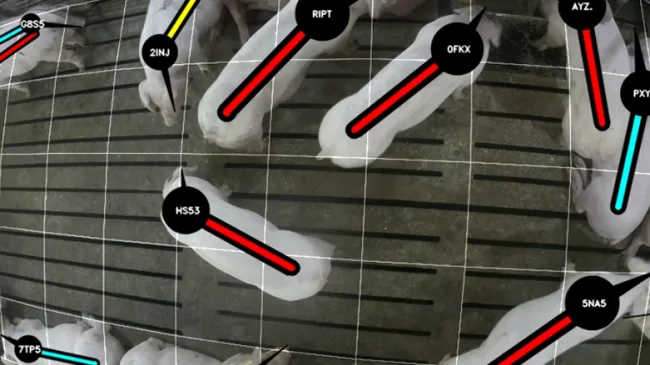
喜欢评论分享我的收藏
 Feed less, produce more A 5% FCR improvement saves up to 18 kg of feed per pig — lowering both cost and emissions. Camborough
 is now 5% better than EU benchmarks, delivering efficient growth at every stage. See how PIC boosts feed performance →https://gb.pic.com/newsletter-picmatters/
#PICUK #FeedEfficiency #CostControl #PigGenetics #SustainableFarming

喜欢评论分享我的收藏
“Gene editing offers incredible promise, but success depends on connecting with consumers and delivering benefits that align with their values,” said Charlie Arnot, CEO of The Center for Food Integrity. “Consumers are much more open to gene-edited products when the benefits are clear, personal and values-based.”
See a summary of the research here and find more information at PRRSResistantPig.com.
#geneediting #PRRSResistantPig #PRRS #AgInnovation
See a summary of the research here and find more information at PRRSResistantPig.com.
#geneediting #PRRSResistantPig #PRRS #AgInnovation

喜欢评论分享我的收藏
🧬 One more parity = more pigs, less cost
Adding just one parity can save up to €50 per pig and reduce emissions per kg of pork. Camborough sows average over 5 parities in top UK herds, with mortality under 8.5%.
Learn how PIC delivers long-term value → https://gb.pic.com/products/camborough/
Adding just one parity can save up to €50 per pig and reduce emissions per kg of pork. Camborough sows average over 5 parities in top UK herds, with mortality under 8.5%. Learn how PIC delivers long-term value → https://gb.pic.com/products/camborough/Camborough®The Camborough® is the ideal choice for producers who need an efficient, high performing sow that yields more uniform pigs with heavier weights in all conditions.
喜欢评论分享我的收藏
 More pigs, less impact — it starts with genetics Camborough and X54 sows now deliver +3.5 piglets/sow/decade and lower feed use — cutting farm emissions by 12% per pig since 2016. That’s sustainability you can measure. Discover how PIC helps you grow greener profits → https://gb.pic.com/products/camborough/
#PICUK #PigGenetics #Sustainability #FarmEfficiency #GreenerFarming
Camborough®The Camborough® is the ideal choice for producers who need an efficient, high performing sow that yields more uniform pigs with heavier weights in all conditions.
喜欢评论分享我的收藏
“Circana has conducted research on this topic for more than three years, consistently finding that gene-edited pork scores in the upper quintiles, which indicates average to above average purchase likelihood,” said Staci Covkin, Circana Principal of Innovation, Consumer & Shopper Insights.
Read the full press release to see more details about the research.
Read the full press release to see more details about the research.

1 喜欢评论分享我的收藏
联系
请使用以下表格来联系我们。